banner
  • Can Aftermarket Forged Wheels Improve Your Vehicle’s Performance? May 26, 2026
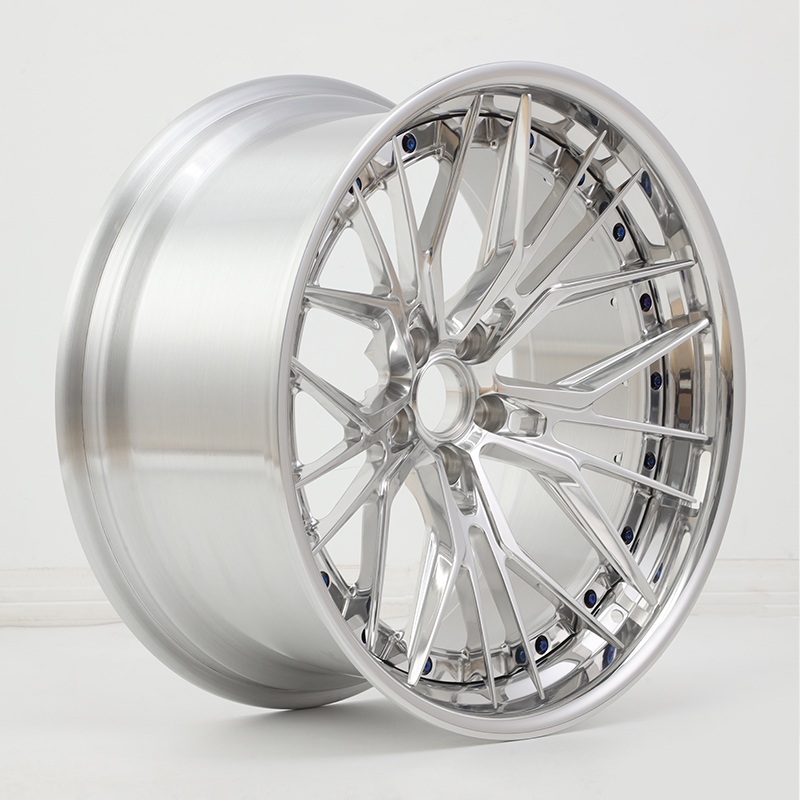
    When people talk about vehicle performance upgrades, they often think of engine tuning, exhaust systems, suspension kits, or brake upgrades. Wheels are sometimes treated as a styling choice only, but they can also influence how a vehicle feels on the road.   For drivers who care about handling, response, and fitment, aftermarket forged wheels can be a practical performance upgrade. The improvement does not come from adding power. It comes from reducing weight, increasing wheel strength, and improving the way the wheel fits the vehicle.   One of the main advantages of forged wheels is weight reduction. Compared with many cast wheels, forged wheels can often be made lighter while maintaining strong structural performance. This matters because wheels are part of the vehicle’s unsprung weight. When wheel weight is reduced, the suspension can respond more efficiently to road changes, and the vehicle may feel more direct during acceleration, braking, and steering.   The difference is especially noticeable on performance cars, sport sedans, luxury vehicles, and SUVs where wheel size is usually larger. A lighter forged wheel can help reduce rotational mass, which may contribute to sharper response and a more connected driving feel. It will not replace engine tuning or a brake upgrade, but it can support the overall performance of the vehicle in a very practical way.   Strength is another reason many owners choose aftermarket forged wheels. A forged wheel is made from a solid aluminum blank that is shaped under high pressure and then CNC-machined to the required design. This process helps create a dense and strong wheel structure. For daily driving, spirited road use, or occasional performance driving, this strength-to-weight advantage is one of the key reasons forged wheels are preferred over standard cast alternatives.   Forged wheel details, including polished spokes, blue bolts, machined center bore, and brushed barrel finish. Fitment also plays an important role. Aftermarket forged wheels can be customized according to the vehicle’s specifications, including diameter, width, offset, bolt pattern, center bore, and brake clearance. This is valuable for owners who want a more precise stance, wider wheels, or better clearance for larger brake kits. A properly designed forged wheel can improve the appearance of the car while keeping fitment safe and practical.   For some vehicles, a staggered forged wheel setup may also be used. This means the rear wheels are wider than the front wheels, which is common on many rear-wheel-drive performance cars and luxury models. A staggered setup can improve the visual stance and may help support rear traction when matched with the right tires. However, it should always be designed based on the vehicle’s layout, tire size, and intended use. Of course, aftermarket forged wheels are more expensive than cast wheels. The higher cost comes from the forged aluminum material, machining time, engineering work, and customization process. For drivers who only need a basic replacement wheel, cast wheels may be enough. But for those who want lighter weight, stronger construction, accurate fitment, and a more premium appearance, forged wheels are worth considering.   At Rimpower, we manufacture custom forged wheels using T6061-T6 aluminum for performance cars, luxury vehicles, SUVs, and custom builds. Each wheel can be made according to the customer’s vehicle data, design preference, and finish requirements, helping achieve a balance between performance, durability, and style.    
  • Are Forged Wheels Worth the Investment for Daily Drivers? May 21, 2026
    Forged wheels are often associated with race cars, luxury vehicles, and high-performance builds. But many car owners have a more practical question: are forged wheels really worth it for daily driving? The answer depends on what you expect from your wheels. If you only need a basic replacement wheel, a standard cast wheel may be enough. But if you care about strength, weight, fitment, and a cleaner custom look, forged wheels can be a meaningful upgrade even for a daily driver.   A forged wheel is made by applying high pressure to a solid piece of aluminum, rather than pouring molten aluminum into a mold like a cast wheel. This process helps create a denser and stronger wheel structure. For daily use, that strength matters. City roads, potholes, speed bumps, rough pavement, and unexpected impacts are all part of normal driving. A well-made forged aluminum wheel can offer better durability while keeping the wheel weight lower than many cast alternatives.   Weight is one of the biggest reasons drivers choose forged wheels. Lighter wheels reduce unsprung weight, which may help the suspension respond more efficiently. In real driving, this can contribute to sharper steering feel and a more responsive driving experience. The difference may not turn a daily car into a track car, but it can make the vehicle feel more refined, especially on premium sedans, SUVs, and performance models.   Another important benefit is fitment. Custom forged wheels can be made according to the vehicle’s specifications, including diameter, width, offset, bolt pattern, and brake clearance. This is especially useful for owners who want a flush stance without relying on spacers or unsuitable factory sizes. For example, many customers choose 19 inch forged wheels or 20 inch forged wheels to improve the appearance of the car while still keeping daily comfort in mind.   Appearance is also part of the value. Forged wheels are highly customizable, from spoke design to surface finish. Options such as brushed, polished, matte black, bronze, gunmetal, and two-tone finishes allow the wheel to match the style of the car. For daily drivers, this means the upgrade is not only about performance, but also about making the vehicle look more personal and premium. Of course, forged wheels cost more than cast wheels. That is the main reason some drivers hesitate. But the higher price also reflects the material, manufacturing process, engineering work, and customization involved. If you plan to keep your vehicle for several years, or if you are building a car with specific fitment and style requirements, forged wheels can be a long-term investment rather than just a cosmetic upgrade.   So, are forged wheels worth it for daily drivers? For owners who want the lowest-cost option, they may not be necessary. But for those who value lightweight performance, stronger construction, accurate fitment, and a custom appearance, forged wheels are definitely worth considering. At Rimpower, we manufacture custom forged wheels using T6061-T6 aluminum, with fitment support for luxury cars, SUVs, and performance vehicles. Each order can be customized based on your vehicle data, design preference, and finish requirements.  
  • What Is a 3 Piece Forged Wheel? Apr 16, 2026
    You’ve probably seen the term 3 piece forged wheels in custom builds and high-end vehicles—but what does it actually mean? A 3-piece forged wheel is a modular wheel made from three separate components: the outer lip, inner barrel, and center disc. Unlike one-piece wheels, these parts are manufactured individually and then assembled together. Because of this structure, 3-piece wheels are also known as multi piece forged wheels, offering greater flexibility in both design and fitment.   How a 3-Piece Forged Wheel Is Built? Each part of a 3-piece forged wheel is produced using high-pressure forging, which improves strength while keeping the weight low. After machining, the three components are assembled with high-strength bolts and sealant to ensure durability and airtight performance. If you want to see how this works in real production, you can explore our OEM/ODM process here: https://www.dhwheel.com/oemodm-service   Why Choose 3-Piece Forged Wheels? One of the biggest advantages of 3-piece forged wheels is customization. Because the wheel is built in sections, you can adjust: Wheel offset (ET) Width (inner and outer barrels) Finishes and surface treatments This makes them ideal for custom fitment, wide-body builds, and personalized designs. They are also easier to repair. If one section is damaged, it can be replaced individually instead of changing the whole wheel.   3-Piece vs 1-Piece Forged Wheels A 1-piece forged wheel is made from a single block of aluminum, making it lighter and simpler. In comparison, a 3-piece forged wheel offers more flexibility in sizing and design, which is why it’s often chosen for custom builds.   Conclusion A 3-piece forged wheel is designed for flexibility, precision, and customization. While slightly more complex, it gives you more control over fitment and styling—making it a popular choice for performance and custom applications.
  • What Does 6061-T6 Forged Wheel Mean? The Engineering Behind the Performance Mar 03, 2026
    When shopping for high-performance wheels, you've likely come across the term "6061-T6 Forged." It’s often used as a badge of quality, but what does it actually mean for your driving experience? In simple terms, this specification defines the material, manufacturing process, and heat treatment that separate premium wheels from ordinary ones.   1. The Alloy: Why 6061? The journey begins with 6061 aluminum, a aerospace-grade alloy known for its exceptional strength-to-weight ratio. By combining aluminum with silicon and magnesium, this material offers superior corrosion resistance and structural integrity. It’s the ideal foundation for a wheel that needs to be both lightweight and capable of handling extreme loads.   2. The Process: Forging This is where the magic happens. Unlike casting, which pours molten metal into a mold, forging starts with a solid billet of 6061 aluminum. Under thousands of tons of pressure, the metal's grain structure is compressed and aligned, resulting in a wheel that is denser, stronger, and more resistant to impact. As you can see in the image above, this is precision engineering at its finest—crafted right in our facility.   3. The Finish: T6 Heat Treatment The "-T6" suffix refers to the thermal treatment applied after forging. Through solution heat treatment and artificial aging, the aluminum achieves peak hardness and tensile strength. This process ensures the wheel maintains its shape and performance under high heat and heavy stress—critical for track days or rough terrain. A 6061-T6 forged wheel isn’t just a component; it’s an investment in performance and safety. By combining premium alloy, advanced forging, and precise heat treatment, these wheels reduce unsprung weight, improve handling, and offer unmatched durability. Whether you're building a race car or upgrading your daily driver, choosing 6061-T6 forged means choosing proven engineering.  
  • Why Choose 6061-T6 Forged Wheels? Feb 26, 2026
    When choosing custom forged wheels, you will often see 6061-T6 aluminum listed in the specifications. It offers a useful balance of strength, corrosion resistance, and machinability. But the material name is only a starting point: wheel design, manufacturing quality, and vehicle fitment also matter. What Does 6061-T6 Mean? 6061 is an aluminum alloy containing magnesium and silicon as its main alloying elements. T6 describes a condition achieved through solution heat treatment and artificial aging to increase strength. For a finished wheel, these material properties work together with the forged construction and the design of the spokes, hub, and barrel. Why Choose It for Custom Forged Wheels? Strength with scope for weight reduction. A well-engineered forged wheel can use material efficiently while meeting its intended load requirements. However, a 6061-T6 wheel is not automatically lighter than every cast or flow-formed alternative. Compare actual wheel weights at similar dimensions and load ratings. Flexibility in machining and design. 6061 aluminum is suitable for CNC machining, allowing different spoke styles and vehicle-specific dimensions. Available widths, offsets, and concave profiles still depend on the wheel design, brake clearance, and load requirements. Corrosion resistance for road use. The alloy provides good corrosion resistance, while the surface finish and regular care help protect the wheel in service. Maintenance requirements vary between painted, polished, and other finishes. What Should You Check Before Ordering? Two wheels made from 6061-T6 aluminum can differ considerably. Beyond the material specification, ask about the intended load rating, relevant wheel testing, available dimensions, and finish. Fitment also needs separate confirmation. Wheel diameter and width, bolt pattern (PCD), offset (ET), center bore (CB), and brake clearance must suit the vehicle. If you are unfamiliar with these terms, see our guide to wheel size, PCD, ET, and CB. Custom Forged Wheels from RimPower RimPower offers one-piece, two-piece, and three-piece forged wheel options. Send us your vehicle model and year, preferred wheel size and style, and any known PCD, ET, and CB specifications. Please also tell us about changes to the brakes or suspension. We provide 3D drawing images for customer confirmation before production. Available specifications are subject to technical review. For the details to prepare, read what information is needed for a custom forged wheel quotation.  
  • Cast vs. Flow Formed vs. Forged Wheels – Which One Should You Get? Feb 25, 2026
    Picking wheels can be confusing. Cast, flow formed, forged... what's the difference? And more importantly, which one is right for your car? 1. Cast Wheels – The Budget Pick How they're made: Melt aluminum, pour into a mold, let it cool.  The good: Cheap to make, cheap to buy Works fine for daily driving The not-so-good: Heavy – hurts performance and fuel economy Metal structure is porous, more likely to crack under stress   2. Flow Formed Wheels – The Middle Child How they're made:Start with a cast, then heat it up and spin it while rollers squeeze and stretch the barrel. This makes the metal denser and stronger. The good: Lighter and stronger than cast Better value than forged The not-so-good: Barrel design is limited by the process Still not as strong as forged   3. Forged Wheels – The Real Deal  How they're made:Take a solid block of premium aluminum (6061-T6). Squeeze it with over 10,000 tons of pressure. Then CNC-machine it into a work of art. The good: Super strong: Hit a pothole? It might bend, but it won't shatter. Super light: Less unsprung weight = better acceleration, braking, and handling. Fully customizable: Want a specific offset or crazy spoke design? No problem. Built to last: These wheels can outlive your car. The not-so-good: Costs more  So... Why Go Forged? Honest talk? Not everyone needs forged wheels. But if you: Want your car to feel more responsive Care about every pound of unsprung weight Push your car hard – track days, canyon runs, or just aggressive driving Want wheels that look exactly how you want them to look ...then forged is worth every penny.   Here's what you get with our forged wheels: ✅ Stronger, lighter, faster – you'll feel the difference ✅ Better heat dissipation – your brakes will thank you ✅ Built to your specs – perfect fitment, no spacers, no compromises ✅ Investment piece – wheels you'll keep for years   Wheels are a big decision. We get it. 👉 Check out our forged wheel gallery 👉 Tell us what you drive – we'll help you find the perfect fit
  • What is 2-piece forged wheel? Feb 02, 2026
    A two-piece forged wheel is a high-performance modular wheel constructed from two separate components: a center face (spokes and hub) and an outer barrel (rim). These components are typically manufactured from high-grade 6061-T6 aluminum using extreme heat and pressure to align the metal's grain structure, resulting in superior strength and lightweight characteristics compared to standard cast wheels.  Construction and Components Center Section (Face): Machined from a solid forged aluminum billet, this part houses the spokes and mounting surface. Outer Barrel: A separately manufactured cylindrical piece that holds the tire in place. Assembly Methods: The two pieces are permanently or semi-permanently joined through welding (creating a unified, rigid structure) or bolting with high-strength hardware.  Key Benefits Customization: Modular construction allows for a wider range of offsets, widths, and finishes than one-piece (monoblock) wheels. For instance, a customer can choose a custom-colored center with a polished or chrome barrel. Repairability: If a wheel is damaged by a pothole or curb, the affected component (the barrel or the face) can often be replaced independently, saving up to 40% in total replacement costs compared to a one-piece wheel. Performance: Forged 2-piece wheels are roughly 20–30% lighter than cast wheels, reducing unsprung mass to improve acceleration, braking distances, and handling agility.   Maintenance: They generally require less upkeep than 3-piece wheels because they have fewer joining points and seals to monitor.
  • Why should performance enthusiasts choose forged over cast Wheels? Jan 27, 2026
    The choice between forged and cast wheels fundamentally comes down to understanding how manufacturing methods affect real-world performance.   While cast wheels are poured into molds, forged wheels are pressed from solid billets. This fundamental difference creates distinct performance characteristics that drivers can genuinely feel. The average performance forged wheels can be 15-25% lighter than comparable cast wheels. This reduces unsprung weight, directly improving suspension response and handling precision. Forged wheels typically demonstrate higher yield strength and better impact resistance. This means forged rims  can withstand track abuse and street hazards that might damage cast wheels.   On the road or track, the differences translate to: Quicker acceleration Shorter braking distances Improved cornering stability Enhanced steering feedback   While forged wheels command higher initial prices, their durability and performance advantages provide compelling value for serious enthusiasts seeking track day forged wheels.    Understanding these fundamental differences helps enthusiasts make choices aligned with their performance goals and driving requirements.  
  • Why 6061-T6 aluminum alloy forged wheels have become the preferred choice for household cars? Jan 21, 2026
    In the automotive after market, the demand for forged wheels among household car owners is increasing, but how to choose the appropriate style has become a challenge. Which material of forged wheels is more suitable for daily commuting? How should the size and hole spacing be matched?    Today, let's focus on the household car scene and analyze the selection logic of forged wheels.  The reason why 6061-T6 aluminum alloy forged wheels have become the preferred choice for household cars is its lightweight and stability.  Compared with regular casting steel, 6061-T6 aluminum alloy has a lower density, reduces weight by 25% for the same size, and can lower vehicle fuel consumption; At the same time, after T6 heat treatment, the deformation resistance is increased by 30%, making it easy to cope with urban congestion and high-speed driving. For distributors who purchase in bulk, factory supplied aluminum forged wheels for household use are more cost-effective. The direct supply mode eliminates intermediate links, reduces procurement costs by 15% -20%, and manufacturers can adjust parameters such as hole spacing and offset according to vehicle needs, such as adapting to the 17 inch specifications of mainstream household cars such as Volkswagen and Toyota, which can cover more customer needs.   In daily use, 17/18 inch 4-hole and 5-hole comfortable forged wheels are the popular choice for household cars. 17/18 inch size paired with 55-60 flat ratio tires can balance comfort and handling, filtering out road bumps; The 4-hole and 5-hole design evenly disperses pressure and is suitable for the wheel hub installation position of most compact and medium-sized household cars. It is easy to install and has strong stability. The core of choosing forged wheels for household cars is "adaptability+practicality". 6061-T6 aluminum alloy material ensures performance, factory direct supply mode controls costs, and the 17 inch /18 inch 4-hole and 5-hole specification is compatible with most car models. The combination of the three can meet all daily commuting needs. In the future, with the trend of electrification of household cars, the demand for lightweight forged wheels will continue to grow. Choosing products that are suitable for one's own vehicle model can truly enhance the travel experience.  
  • What are the secrets to daily cleaning and maintenance of forged wheel? Jan 19, 2026
    After buying in a set of desired forged wheels, how can we keep them as shiny as new for a long time and ensure that their performance is not affected? Proper cleaning and maintenance are crucial. Incorrect care methods may damage expensive wheel surface coatings and even affect their balance.    1.The correct steps for daily cleaning  --Cleaning after cooling: It is necessary to do it after the wheel hub and brake system have completely cooled down. Splashing cold water on high-temperature metal may cause deformation or cracking.  --Pre rinsing: First, rinse off the sediment and dust attached to the surface with low-pressure water to prevent particles from scratching the paint surface during wiping. --Use specialized cleaning agents: Choose neutral aluminum alloy wheel hub specialized cleaning agents. Avoid using strong acids, or common household cleaning agents, as they will corrode the varnish layer or brushed surface of the wheel hub. After spraying the cleaning agent, let it stand for a moment to decompose brake dust and oil stains.  --Gently scrub: Use a soft brush (such as a detail brush, wool wheel hub brush) to gently scrub the gaps between the spokes and the back. For the surface, wipe it with a sponge or microfiber cloth. Avoid using sharp objects such as steel wire balls and hard brushes.  -- Thorough washing and drying: rinse all foam with clean water, and then wipe it thoroughly with clean chamois or microfiber towel to prevent water stains from forming.   2.Maintenance for different surfaces wheels --Bright/Chromed wheels: Wheel wax or coating agents can be used regularly for protection, which can effectively resist brake dust adhesion and make cleaning easier.  --Brushed surface wheel hub: High surface hardness but afraid of scratches. When cleaning, it is necessary to be extra gentle and can be regularly repaired and protected with varnish by a professional shop.  --Matte/Spray finish: Follow the general cleaning steps and avoid using maintenance products with gloss function.   3.Long term storage and damage handling If the vehicle is parked for a long time, it is recommended to remove the 18 inch 5-hole forged wheel hub, clean and wax it, and store it in a special wheel hub bag in a cool and dry place. If minor scratches occur, the damaged paint surface should be promptly repaired to prevent oxidation of the aluminum alloy. For severe collision and deformation, do not continue to use it and immediately submit it to a professional organization for testing and repair. Regularly check the tightening torque of the wheel hub bolts to ensure safety.  Following the above maintenance tips, your T6061-T6 forged wheels will not only always shine brightly, but also have the maximum guarantee of service life and safety.  
  • How to choose suitable Aluminum forged wheel for your car? Jan 15, 2026
    In car after market, the core of selecting forged wheel is to "adapt to the car model+meet the needs". For sedans,  SUV,  new energy vehicles,  the differences in the characteristics determine vastly different standards for wheel hub selection. So how should different car models choose forged wheels?  Base on the core requirements, combined with parameters and scenarios, we provide below suggestion for customers to choose suitable Aluminum forged wheels.   Sedans are mainly used for daily commuting, and the selection should take into account "lightweight+comfort". On the basis of basic parameters, it is recommended to have a diameter of 16-19 inches, as excessive diameter may reduce the shock absorption effect. Family sedans can choose 17 inch forged wheels, with lightweight design to reduce fuel consumption, suitable for most compact and medium-sized cars; Sports sedans can try 18 inch 5-hole sports forged wheels, with ET35-45 offset to improve handling stability, and classic black and silver color matching for a more dynamic look. We recommend styles with moderate hollow out ratios for the spokes, which balance heat dissipation and aesthetics, and are suitable for daily use scenarios.   SUV need to cope with both urban and off-road road conditions, with the core being "high intensity+passability". The recommended size is 18-20 inches, with a width of 8.5-9.5J and wide tires to enhance grip. T6061-T6 high-strength aluminum alloy forged wheels are preferred as the material, with outstanding tensile strength and impact resistance, capable of handling off-road bumps. Hardcore off-road SUVs can choose ET 0-15 negative offset wheels to widen the wheelbase for greater stability; Urban SUVs are suitable for zero offset or small positive offset without affecting steering. Choose thick and sturdy spokes to reduce damage from sand and gravel impact, and choose dirt resistant black or gun gray colors.     The core demand for new energy vehicles is "low rolling resistance+lightweight" to extend the range. It is recommended to follow the original factory specifications of 17-19 inches to avoid affecting power tuning; Factory supplied low wind resistance forged wheels adopt aerodynamic design to reduce energy consumption and noise, which is the preferred choice. Choose ET40-50 for offset to ensure compatibility with the suspension, choose a style with strong closure for the spokes to reduce wind resistance and protect the brake system, and match the technology oriented positioning with light or contrasting color designs.     For forged wheel selecting, three key points should be noted: first, confirm that the parameters such as hole spacing (PCD) and center hole (CB) are consistent with the original vehicle to avoid installation hazards; The second is to select materials according to the scene, with emphasis on off-road strength and commuting weight; Thirdly, we should not blindly pursue larger sizes and prioritize ensuring stability. At the same time, it is necessary to choose products from reputable manufacturers and check the testing reports to ensure safety.    Choosing forged wheels for different car models is essentially about "precise matching of needs". Sedans prioritize comfort, SUV prioritize strength, supercar prioritize performance, and new energy vehicles prioritize endurance. Only by clearly defining core requirements and parameters, and then selecting styles based on aesthetic considerations, can the wheels enhance both aesthetics and practicality.  
  • How to choose customized forged wheel color you like? Jan 13, 2026
    In the field of personalized car modification, the color of forged wheels is not only an expression of visual aesthetics, but also the finishing touch of vehicle temperament. From classic versatility to distinctive personality, the surface color selection of forged wheels is rich and diverse, and different tones can give vehicles a completely different style. Below is a detailed analysis of the mainstream forged wheel colors and their characteristics, accompanied by real-life photos for intuitive presentation.   Classic and versatile color schemes: timeless choices  1.Matte Black, as the "evergreen tree" of modification circles, matte black wheels are known for their low-key and steady texture. Its frosted surface can effectively hide small scratches and dust, making daily maintenance extremely convenient. Whether it is a family car or a performance sports car, it can be perfectly adapted. When paired with a white or dark body, the visual impact is particularly prominent.  2.Glossy black: The gloss black wheels interpret a luxurious and sporty feel with a mirror like highlight effect. The smooth surface reflects light like a black gemstone, adding a strong sense of fashion to the vehicle. Suitable for car owners who pursue delicacy, especially when paired with black and white body, it can form a classic visual combination of "Black Warrior" or "Panda Eye".  3.Silver is the most regular and classic color for original wheel rims and also the most versatile "universal color" for compatibility. The silver wheels with metallic texture can highlight the delicate patterns of forging technology. Whether the body is bright colors or stable neutral colors, they can blend harmoniously, balancing practicality and low-key texture, especially suitable for business vehicles or car owners who value value value.   Personalized advanced color scheme: showcasing unique taste  4.Gun gray (gunmetal-wheel) is between black and silver, with a cool color tone that comes with "combat attributes" that gives the wheels a sense of power. Its dark gray background has a subtle metallic luster, neither too dull as black nor more sporty than silver, making it a popular choice for performance car modification. When paired with red, blue and other body colors, it can create a strong track atmosphere.  5. Golden wheels are synonymous with high-end and luxury, commonly seen in supercars or limited edition models. The warm metallic luster can instantly enhance the vehicle's attractiveness, like "golden armor" embedded in the wheels, but it requires higher color requirements for the body, and is more suitable for matching with solid color bodies such as black and white to avoid excessive color clutter.   Trendy bright color scheme: unleashing ultimate personality 6.Blue wheels break tradition with a fresh and vibrant visual effect, with light blue like the sea breeze brushing against the face and deep blue like the night sky, suitable for car owners who pursue youthfulness and personalization. When paired with a white or light gray body, it can create a sharp contrast and inject a lively atmosphere into the vehicle, but attention should be paid to avoiding excessive overlapping with the same color body, which can cause visual fatigue.  7.Red wheels are a symbol of passion and speed, with bright colors like flames on the racetrack that can instantly ignite the vehicle's sporty genes. Suitable for pairing with neutral colors such as black and white as the finishing touch of the car body, but requires more frequent cleaning in daily use to maintain a bright appearance, suitable for trendy players who love modification culture.  
1 2 3 4 5 6 7 8 9 10 11 12

A total of12pages

Have Any Questions?

You can contact us any way that is convenient for you. We are available 24/7 via !
  • Call for consultation +86 (0)25 84725893

  • Email for usinfo@dhwheel.com

  • Office Location Room 616, Hall 2, Cloud Metropolis, No.12 Shishi Road, Qixia District, Nanjing City

Get the latest news and updates about our wheels by subscribing today.
Submit

leave a message

leave a message
For any request of information or technical support, fill in the form.All fields marked with an asterisk* are required.
Submit

home

products

Contact

Need Help? Chat with us

Start a Conversation

Hi! Click one of our members below to chat on